
$0.00
Introduction
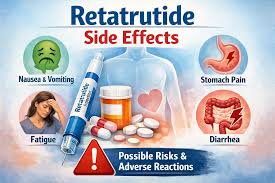
Retatrutide side effects. As retatrutide continues to gain attention as a powerful next-generation weight loss medication, one important question remains for many people:
What are the side effects of retatrutide?
While clinical trials show impressive weight loss results, understanding the safety profile is essential before considering any treatment. Like all medications that affect metabolism and appetite, retatrutide comes with potential side effects—most of which are manageable, but some require careful attention.
In this complete guide, we’ll break down:
- Common and rare side effects
- Why they happen
- How to reduce them
- When to seek medical advice
Why Retatrutide Causes Side Effects
Retatrutide works by targeting three key hormone pathways:
- GLP-1 → appetite regulation
- GIP → insulin response
- Glucagon → energy expenditure
Because it affects digestion, metabolism, and brain signaling, the body needs time to adjust. This adjustment phase is where most side effects occur.
Important: Side effects are often strongest at the beginning and improve over time.
Most Common Retatrutide Side Effects
Clinical trials show that the majority of side effects are gastrointestinal (digestive-related).
1. Nausea
This is the most frequently reported side effect.
Why it happens:
- Slower stomach emptying
- Changes in hunger hormones
What it feels like:
- Mild to moderate queasiness
- Usually temporary
2. Vomiting
Less common than nausea but can occur, especially at higher doses.
Triggers:
- Rapid dose increase
- Eating large meals
3. Diarrhea
Some users experience loose stools or increased bowel movements.
Cause:
- Changes in digestion and gut activity
4. Constipation
Interestingly, some users experience the opposite effect.
Why:
- Slower digestion
- Reduced food intake
5. Fatigue
Feeling tired or low-energy can occur in early stages.
Possible reasons:
- Reduced calorie intake
- Body adapting to metabolic changes
6. Loss of Appetite (Expected Effect)
While technically not a negative side effect, appetite suppression can feel unusual.
Less Common Side Effects
These occur less frequently but are still reported.
- Headache
- Dizziness
- Bloating
- Indigestion
- Mild dehydration
Rare but Serious Side Effects
Although uncommon, some side effects may require medical attention.
1. Severe Gastrointestinal Issues
Persistent vomiting or diarrhea can lead to dehydration.
2. Rapid Weight Loss
In some cases, weight loss may be too fast, which can:
- Affect muscle mass
- Cause weakness
3. Blood Sugar Changes
Particularly relevant for people with diabetes.
👉 Important: Always monitor symptoms and consult a healthcare provider if anything feels unusual.
When Do Side Effects Start?
First Weeks
- Most side effects appear during the first 1–4 weeks
- This is the body adjustment phase
After Dose Increases
- Side effects may temporarily return when dosage increases
Long-Term
- Most users experience fewer side effects over time
How Long Do Side Effects Last?
- Mild symptoms: a few days to weeks
- Moderate symptoms: several weeks
- Severe symptoms: require medical attention
For most people, side effects gradually decrease as the body adapts.
How to Reduce Retatrutide Side Effects
Managing side effects properly can significantly improve your experience.
1. Start with a Low Dose
Gradual dosing helps your body adjust.
2. Eat Smaller Meals
Large meals can worsen nausea.
3. Avoid Fatty or Greasy Foods
These can trigger digestive discomfort.
4. Stay Hydrated
Especially important if experiencing diarrhea or vomiting.
5. Eat Slowly
Helps digestion and reduces stomach stress.
6. Follow a Consistent Schedule
Taking medication at the same time each week helps stability.
Who Is More Likely to Experience Side Effects?
Some individuals may be more sensitive:
- People new to GLP-1 medications
- Those with sensitive digestion
- Individuals increasing dosage too quickly
- People with pre-existing gastrointestinal conditions
Retatrutide vs Other Weight Loss Drugs (Side Effects Comparison)
Compared to Ozempic
- Similar side effects
- Retatrutide may feel stronger initially
Compared to Mounjaro
- Very similar profile
- Slight differences due to triple mechanism
👉 Overall, side effects are comparable across this class of medications.
Are Retatrutide Side Effects Dangerous?
For most people, side effects are:
✔ Mild
✔ Temporary
✔ Manageable
However, improper use or lack of medical supervision can increase risks.
Tips for a Smoother Experience
To minimize discomfort:
- Plan meals carefully
- Avoid overeating
- Track your symptoms
- Adjust lifestyle habits
- Stay patient during the adjustment phase
What to Do If Side Effects Become Severe
Seek medical advice if you experience:
- Persistent vomiting
- Severe dehydration
- Extreme fatigue
- Rapid, unhealthy weight loss
Never ignore severe or worsening symptoms.
Frequently Asked Questions (FAQ)
Are retatrutide side effects worse than other drugs?
They are generally similar but may feel stronger initially due to the triple-action mechanism.
Do side effects go away?
Yes, most side effects improve over time.
Can you avoid side effects completely?
Not always, but proper dosing and habits can reduce them significantly.
Is nausea permanent?
No, it typically decreases after the first few weeks.
Balancing Benefits vs Side Effects
While side effects are important to consider, they must be weighed against the benefits:
Benefits
- Significant weight loss
- Improved metabolic health
- Reduced appetite
Drawbacks
- Temporary discomfort
- Adjustment period
For many users, the benefits outweigh the temporary side effects.
Conclusion
Retatrutide side effects are an important part of understanding this powerful medication.
The key takeaways:
- Most side effects are mild and temporary
- They occur mainly during the early stages
- Proper management can significantly reduce discomfort
- Medical guidance is essential
As retatrutide continues to develop, its safety profile will become even clearer. For now, being informed and cautious is the best approach.
